Mediterranean Finishes

Ornamental plaster and Polished Stucco

                                                                     Delta Construction, LLC

Techniques and Finishes

The materials that we use are made by leading European manufacturers: Baldini Vernici, Bianchi Lecco, Boldrini, Max Meyer and Armourcoat.

Also we mix and make our own materials where historically accurate finishes are needed in the restoration projects or in the new Scagliola, Ornamental plaster and Polished stucco application.

The most common application techniques that we use are:

Stucco Lustro (Shiny stucco)

 Stucco lustro is a term which refers to two slightly different types of materials and application process to achieve uniform and polished wall surface. Stucco Lustro is the Italian tradition of elegant luxurious wall finishes: Marmorino and Venetian Stucco ( In the United States know as Venetian Plaster) or better known in Italy as Spatolato. These finishes have some common characteristics, which give a sense of depth as well as transparency, due to the special techniques used in layering the plaster and the polished finish. 

  Venetian Stucco

 Venetian Stucco / plaster ( Stucco Veneziano) is a term which refers to technique in polished stucco application. It is modern term to describe some of the techniques used to achieve polished stucco effect. In the origin country Italy is known as Stucco Lustro or Spatolato. Venetian stucco/plaster is made with natural materials. This finish is more delicate than Marmorino, and is therefore only for use on interior surfaces. Venetian stucco/plaster technique is used to achieve a more intense marbling and natural stone effect than Marmorino. The resulting surface is smooth and polished (mirror-effect) with strong contrasting variations. It can be applied in several colors. To achieve very smooth and shiny finish, we use of hundreds of trowel strokes per every square foot. Our methods of application and materials have been used for centuries in the Mediterranean region. Venetian stucco and Marmorino techniques are forgotten and we are trying to keep a piece of history alive.
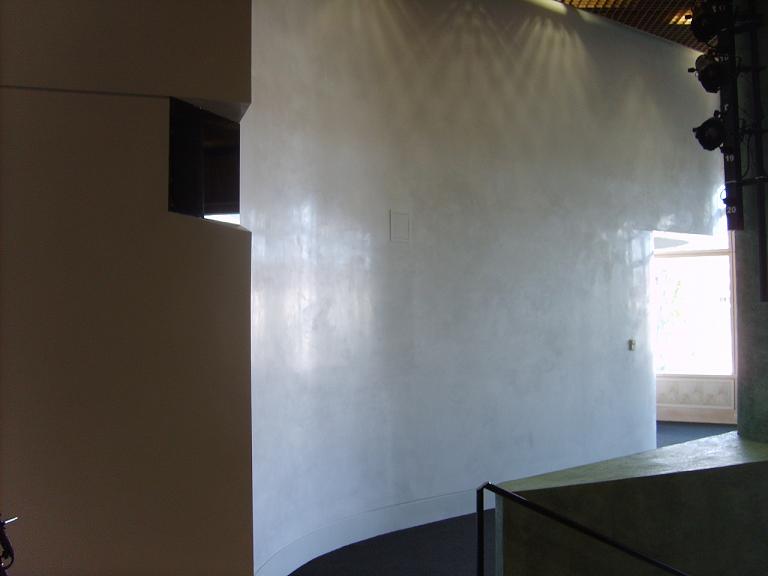
  Spatolato Spatolato Spatolato Venetian Stucco

Scagliola

The Scagliola technique is used to create the tonalities and veins of real marbles with a very natural effect. With Scagliola is possible to reproduce any type of stone to embellish walls, columns, plaster decor and furniture. If mixed with hydraulic lime it could be used for making kitchen countertops. It is polished to achieve a natural marble texture and shine. The Scagliola technique is almost forgotten. Today many people are trying to reproduce a marbling effect with paint or resins. The original materials are far superior to current synthetic imitations and it's mixed without using any chemicals. It can be applied to any standard construction substrate. We are specialized in mixing, installation and historical restoration.

This technique could be used for ornamental work which is considered by many the art it self. It is the highest achievement of plastering craftsmanship.

Fireplace mantel and roman brick in Scagliola Scagliola Columns Scagliola Fireplace Mantel  Marezzo Scagliola ( American Scagliola) Washington DCScagliola Travertine fireplace

Spatolato

Spatolato is the term which refers to a specific technique used in applying  very fine stucco paste. The paste is made with marble dust, slaked and aged lime putty. The name Spatolato is derived from Italian word Spatula which literary means working or applying with spatula and it refers to the technique of application process. Its characteristic appearance is due to criss-cross application in a very thin layers using spatula or the small trowel.

 Spatolato close-up Spatolato ceiling VS. Spatolato

Marmorino

Marmorino is a beautiful, ancient technique of polishing stucco for interior and exterior use. Traditional ingredients such as marble dust, fine sand, natural pigments, aged lime putty, give a polished, decorative surface. We use  natural materials and ancient techniques to achieve this natural stone effect. Marmorino is water resistant and ideal surfacing for bathrooms and kitchens.
A unique feature of Marmorino is that it can be applied over virtually any substrate including paint, plaster, brick, stone, drywall, wood (MDF), Concrete blocks or concrete.  Also it is resistant to any weather conditions and can be applied to exterior surfaces .

Black Marmorino Marmorino (Company logo) ornamental   Travertine Marmorino Travertine Marmorino Travertine Marmorino Green Marmorino columns

TADELAKT

The Tadelakt technique refers to unique application/finishing process of lime (Lime with the high content of magnesium) mixed with the natural pigments, fine sand and marble dust and often sealed with the black or olive oil soap.

The Tadelakt technique is invented by Moorish people aprox. 11th century AD. It is used in complex geometrical patterns (Arabesques) to create some of the most beautiful plaster work.

Tadelakt bar top


Copyright © 2009 DELTA CONSTRUCTION, LLC